


Why More DFW Patients Are Choosing Robotic-Assisted Surgery in 2026 (Mako & Beyond)
- May 5
- 2 min read
1. Unmatched Precision & Personalized Planning
Traditional joint replacement relies heavily on the surgeon’s experience and manual tools. Robotic systems like Mako Smart Robotics create a 3D virtual model of your unique anatomy from a preoperative CT scan. The surgeon then plans the perfect implant size, position, and alignment — down to the millimeter.
During surgery, the robotic arm provides real-time haptic guidance, preventing the surgeon from cutting outside the planned boundaries. This results in:
Implant placement accuracy within 1–2 degrees of the plan
Better soft-tissue balance
More natural-feeling joints
Studies show Robotic-Assisted Surgery in 2026 continue to show this precision leads to improved long-term implant longevity and function.
2. Faster Recovery & Less Pain
Many of our DFW patients report:
Shorter hospital stays (often same-day or overnight discharge)
Less post-operative pain
Quicker return to walking without assistance
Earlier return to work, golf, pickleball, and travel
Robotic assistance allows for smaller incisions and less disruption to healthy bone and tissue. Recent AAOS 2026 data highlights higher patient satisfaction and quality-of-life scores, especially for total knee replacements.
3. Better Outcomes & Higher Satisfaction
Higher satisfaction rates one year after robotic knee replacement compared to traditional methods.
Reduced risk of implant misalignment, which can cause instability or the need for revision surgery later.
More predictable results for active patients who want to stay mobile in North Texas.
Robotic volume has grown dramatically nationwide — and North Texas hospitals and surgeons are leading the way with widespread adoption of advanced systems.
4. Ideal for North Texas Lifestyles
Whether you’re a weekend warrior playing golf at Stonebriar, chasing grandkids in Frisco, or staying active in Plano’s trails, robotic-assisted surgery helps preserve more of your natural anatomy so you can get back to what you love faster.
Patients in their 50s, 60s, and 70s are especially drawn to the technology because it supports an active “aging well” lifestyle rather than slowing them down.
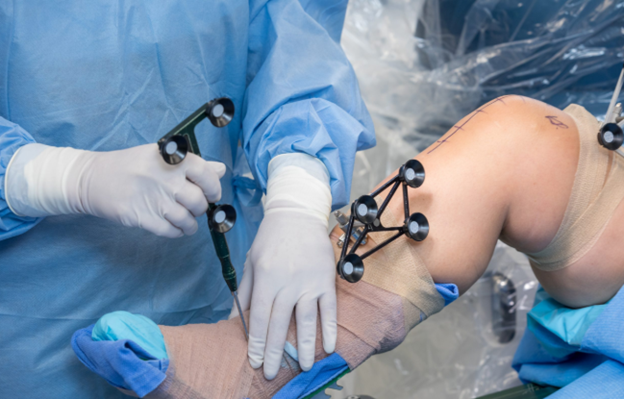
5. It’s Surgeon-Controlled, Not “Robot Surgery”
A common question we hear: “Will the robot do the surgery?” No. Your experienced, board-certified orthopedic surgeon is always in full control. The robot is a highly advanced tool that enhances the surgeon’s skill — similar to how pilots use advanced instruments but still fly the plane.
Is Robotic-Assisted Surgery Right for You?
You may be a great candidate if you have:
Moderate to severe knee or hip arthritis
Pain that limits daily activities
Tried conservative treatments (PT, injections, weight loss) without enough relief
Our team offers same-day evaluations, on-site imaging, and honest conversations about whether robotic, traditional, or non-surgical options best fit your goals.
Ready to Explore Robotic Joint Replacement in North Texas?
Don’t settle for outdated approaches. In 2026, patients across DFW are experiencing the difference robotic precision can make.
Schedule a consultation with our robotic-experienced orthopedic team in Plano. We’ll review your imaging, discuss your options, and create a personalized plan to help you move better and live pain-free.
📍 Serving Plano, Frisco, McKinney, Allen, Richardson & all of Collin & Dallas Counties. Call us today or book online — most patients are seen RIGHT AWAY


Comments